Tulilut: A Modern Sans Serif Font for Digital Design
In the fast-paced world of web design and digital product creation, typography is not merely an aesthetic choice; it is a functional tool that dictates how users perceive, read, and interact with content. As designers, we constantly search for typefaces that balance personality with performance. Tulilut emerges as a compelling option in this landscape, offering a cool sans serif aesthetic that translates exceptionally well across screens, interfaces, and brand touchpoints. Whether you are crafting a high-conversion landing page, designing a sleek app interface, or building a cohesive online store, understanding how Tulilut functions within a digital ecosystem can elevate your visual hierarchy and user experience.
Visual Character and Digital Personality
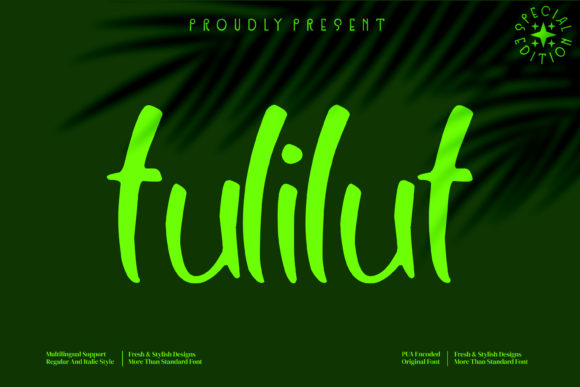
Tulilut belongs to the sans serif category, a classification known for its clean lines and lack of decorative strokes at the ends of characters. However, not all sans serifs are created equal. Tulilut distinguishes itself with a distinctively modern and approachable vibe. Its letterforms are crafted to feel contemporary yet timeless, avoiding the sterile neutrality of some corporate fonts while maintaining the clarity required for digital readability. This makes it an excellent choice for brands that want to appear professional without sacrificing warmth or creativity.
For UI designers, the geometric consistency of Tulilut provides a stable foundation for layout rhythm. The even stroke weights and open counters ensure that text remains legible even at smaller sizes, which is crucial for mobile responsiveness. When viewed on high-resolution displays, the crisp edges of the font contribute to a polished, premium feel that enhances perceived brand value.
Enhancing Visual Hierarchy in Web Layouts
One of the primary challenges in web design is guiding the user’s eye through the content. Tulilut excels in establishing clear visual hierarchy, particularly in hero sections and header areas. Its bold presence makes it ideal for main headlines that need to capture attention immediately upon page load. When used in large sizes, the font’s unique character shapes create a strong focal point, encouraging users to scroll further.
Beyond headlines, Tulilut can be effectively utilized in call-to-action buttons and short navigational elements. Because sans serif fonts generally offer better legibility on screens than serif fonts, using Tulilut for interactive elements ensures that users can quickly scan and understand their options. For instance, a "Sign Up" or "Learn More" button styled with Tulilut feels inviting and clear, reducing cognitive load and potentially improving conversion rates.
Strategic Applications Across Digital Platforms
The versatility of Tulilut allows it to adapt to various digital contexts. Here is how you might integrate it into different projects:
- Landing Pages: Use Tulilut for impactful hero titles and subheadings to communicate value propositions clearly.
- E-commerce Stores: Apply it to product banners, sale announcements, and category headers to create a cohesive shopping experience.
- Portfolio Sites: Leverage its creative edge for project titles and case study headers, allowing the work to shine while maintaining a structured look.
- SaaS Dashboards: Utilize its clean lines for interface labels and data visualization titles, ensuring clarity in complex information environments.
- Digital Ads: Its strong visual identity makes it suitable for social media graphics and banner ads where space is limited and impact is essential.
Readability and Responsive Considerations
When implementing any new typeface, readability must remain a priority. Tulilut performs well on both light and dark backgrounds, but careful attention to contrast ratios is necessary to meet accessibility standards. On dark modes, which are increasingly popular in app design, ensure that the font weight is sufficient to prevent the letters from appearing too thin or disappearing into the background.
For mobile screens, consider adjusting line height and letter spacing. While Tulilut is designed for clarity, tight tracking can sometimes reduce legibility on smaller devices. Testing the font across various breakpoints will help you determine the optimal settings for body copy versus display text. If you plan to use Tulilut for longer paragraphs, ensure that the specific weight you choose offers enough openness to prevent eye strain during extended reading sessions.
Font Pairing for Balanced Brand Identity
A single font rarely carries an entire website. Effective web design often relies on strategic font pairing to create depth and interest. Since Tulilut is a sans serif font with a strong personality, it pairs beautifully with more neutral typefaces for body copy. Consider combining it with a simple, highly readable sans serif for long-form content to maintain a modern, minimalist aesthetic.
Alternatively, if you aim for a more editorial or sophisticated brand tone, pairing Tulilut with a classic serif font can create a striking contrast. The modernity of Tulilut in headings juxtaposed with the tradition of a serif in body text can evoke a sense of trust and authority, which is particularly effective for coaching websites, legal firms, or luxury online boutiques. Avoid pairing it with another decorative display font or a script font unless used very sparingly, as this can clutter the visual field and dilute the brand message.
Technical Implementation and Licensing
Before integrating Tulilut into your next project, verify the available file formats and webfont compatibility. Ensure that the package includes WOFF and WOFF2 files for optimal loading speeds on modern browsers. Check for multilingual support if your audience is global, as this will affect how the font renders special characters and accents.
It is also critical to review the commercial licensing terms. If you are using Tulilut for client projects, SaaS products, or online stores, confirm that the license covers web usage and digital distribution. Proper licensing protects both you and your clients from legal issues and supports the creators who develop these essential design assets. Always keep records of your licenses for future audits or project handovers.
In conclusion, Tulilut offers a robust solution for designers seeking a blend of style and functionality. By leveraging its strengths in hierarchy, readability, and brand expression, you can create digital experiences that are not only visually appealing but also highly effective in engaging users and driving action.